Nutrition Facts Nurse SVG: Embroidery Design Review
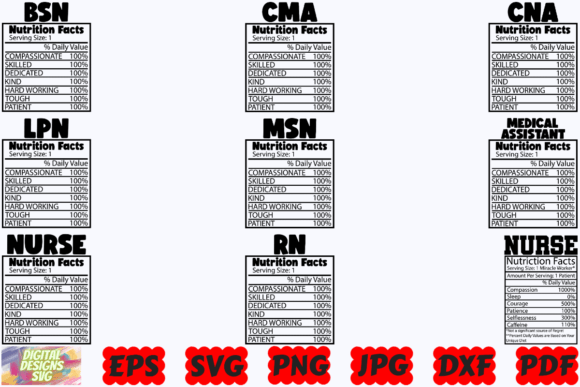
When I first pulled up the Nutrition Facts SVG Nurse SVG Nursing file, I was already mentally placing it on a soft heather gray sweatshirt for a nurse appreciation gift. The design has that playful, almost nostalgic “nutrition label” layout that walks a nice line between funny and heartfelt. Right away, the mood it creates is one of warmth and recognition—it’s not a flat clip-art graphic. It reads like a tribute to the long shifts, the coffee refills, the patience, and the quiet heroism that nurses carry every day. As someone who digitizes and tests a lot of embroidery files, I’m always looking for designs that feel personal without being overly complicated to stitch. This one lands in that sweet spot.
First Look: Layout, Balance, and Visual Personality
The structure mimics a standard nutrition facts panel, which means the eye instantly knows where to land. The bold header, the serving size area, and the list of qualities replace calories with things like “doses of compassion,” “hours of patience,” and “unlimited care.” It’s a clever concept, and even before opening the SVG in my embroidery software, I could tell the design has a clean, organized layout that will translate well to thread. The Nutrition Facts SVG Nurse SVG Nursing file doesn’t rely on tiny, scattered elements; it uses blocks of text and a few simple borders, which is a huge plus for embroidery clarity. The mood is lighthearted but professional—perfect for a nurse who’d appreciate a witty yet wearable gift.
One thing I noticed immediately: the design’s personality is versatile. It can lean toward a coffee-themed nurse gift (think “serving size: 1 endless cup”), or it can be a straightforward appreciation piece. That flexibility is a gift for small business owners who might want to customize the color palette or add a name, unit, or hospital badge. From a visual appeal standpoint, the balance of text and white space means it won’t feel overcrowded on a garment, which is a common pitfall with text-heavy embroidery files.
Where It Fits Naturally in Real Embroidery Projects
I could see this Nutrition Facts SVG Nurse SVG Nursing design living happily on a dozen different products. A canvas tote bag for a nursing student, a cozy sweatshirt for a shift worker, a kitchen towel for a nurse who loves to cook, or even a simple pillow cover for a clinic break room. The rectangular shape and straightforward composition make it an easy candidate for a front-chest placement on a t-shirt or a centered back design on a hoodie. I’ve also mentally placed it on a denim apron—imagine a nurse who bakes to decompress—and the mix of sturdy fabric with a clean satin stitch border would look exceptionally sharp.
For Etsy sellers and craft fair vendors, this design opens up the nurse gift niche instantly. It’s not tied to a specific holiday, though it would work beautifully for Nurse Appreciation Week or as a graduation present. But because it’s a digital graphic, you’ll need to convert the SVG into an embroidery file format (like PES, DST, or EXP) before you can stitch it out. This is a digital download, not a pre-digitized embroidery file, so your embroidery software will need to handle the conversion or you’ll need to manually digitize it. That step is where the real design judgment comes in.
Stitch Planning and Digitizing Notes
When I bring a Nutrition Facts SVG Nurse SVG Nursing into my digitizing workflow, I’m looking at three things: text size, column width, and stitch direction. The smallest text—like the “amount per serving” lines—will demand careful attention. If you’re using a home embroidery machine with a 4x4 hoop, those tiny numbers might need to be simplified or enlarged slightly to keep the running stitch legible. I always recommend a test stitch on a scrap of the same fabric you’ll use for the final product. On a sweatshirt, for example, the knit texture can swallow fine details, so you may need to adjust pull compensation and underlay.
For the borders and the title area, a satin stitch with a medium density usually works best. I’d avoid making the satin stitch too wide on the outer border, because on a garment that gets washed frequently, wide satin stitches can snag over time. A fill stitch might be a better choice for the larger background areas if you decide to add a light-colored backdrop. The design as it stands is largely text and linework, so it’s relatively light on stitch count, which is a good thing. Dense embroidery on a thin t-shirt can feel stiff and uncomfortable.
Thread color choices will dramatically affect the final look. I’d lean toward a navy or dark charcoal on a light gray or cream fabric, or a crisp white thread on a dark teal or burgundy sweatshirt. The contrast needs to be high enough to keep the nutrition facts panel readable without making the text feel harsh. I’ve found that a slightly off-white thread on a heathered fabric gives a softer, more premium feel than pure white, which can sometimes look clinical.
Fabric and Hoop Considerations
I’d be cautious about using this design on extremely stretchy fabric without a good cutaway stabilizer. The rectangular shape can distort if the fabric pulls during hooping, and you’ll end up with a slightly skewed label. On a baby onesie, the design could work, but I’d reduce the overall size and use a soft, fusible stabilizer to keep the back comfortable against the skin. On a canvas tote, the design will hold up beautifully, and the texture of the fabric adds a nice handmade feel that complements the playful nutrition facts concept.
Cap embroidery is a different story. The curved surface of a baseball cap makes rectangular designs tricky. It’s not impossible, but you’d need to place the Nutrition Facts SVG Nurse SVG Nursing on the side or back panel, and even then, the text might bend. I’d steer clear of caps for this one unless you’re confident in your hooping and digitizing for curved areas. Tea towels, pillow covers, and flat lay items are much safer bets.
How It Reads on a Finished Product
After running a few mental test stitches, I’m confident this design holds up well from a customer’s perspective. The nutrition facts label format is familiar and approachable, so it doesn’t require explanation. A nurse receiving a tote with this on it would likely smile before even reading the details, and that instant recognition is key for a successful handmade product. The Nutrition Facts SVG Nurse SVG Nursing design also allows for personalization without breaking the layout. A name or date can be added in the serving size area, or you can swap out the “ingredients” for inside jokes among coworkers.
For a small shop product, this design elevates a plain garment into something that feels intentional and boutique-quality. The text-based nature means it won’t compete with other busy patterns, so it pairs well with a slightly textured fabric or a garment that already has a subtle stripe or heathered finish. I’ve seen similar designs sell well in craft fairs because they’re immediately giftable and don’t lean too heavily on a single trend.
Practical Tips for Embroidery Designers and Small Business Owners
If you’re planning to use the Nutrition Facts SVG Nurse SVG Nursing in your commercial embroidery projects, here are a few non-negotiable steps I always follow:
- Test on scrap fabric first. Even if you’ve digitized similar designs, fabric behavior can vary wildly. Use the same stabilizer and thread brand you’ll use for the final product.
- Check thread color contrast. Step back a few feet from the test stitch. If the text blurs at arm’s length, you need higher contrast or a slightly larger text size.
- Review stitch density. Since this is a text-heavy design, running stitches for the fine print and satin for the bolder areas create a pleasing texture. Avoid over-digitizing the small lines.
- Confirm your hoop size. The original SVG dimensions may not fit a 4x4 hoop without reduction. If you downsize, make sure the smallest text is still at least 0.25 inches tall to remain legible.
- Inspect small details. The periods, commas, and tiny serving size numbers can close up if the thread tension is too tight. A quick test stitch reveals these issues before they become customer complaints.
- Test in black and white mockups. A design that looks great in color might lose its structure when converted to a single-color stitch. Since many embroidery machines run single-color designs, strip the color and see if the layout still holds together.
- Compare light and dark fabric backgrounds. The same thread color can look completely different on white versus black. A medium blue thread might disappear on navy, for instance.
- Use proper stabilizer. For most apparel, a medium-weight cutaway stabilizer works. For towels, a water-soluble topper prevents the stitches from sinking into the pile.
Licensing, Commercial Use, and Digital Product Integrity
Since the Nutrition Facts SVG Nurse SVG Nursing is a digital download, you’ll want to double-check the included license terms before you sell finished products. The listing mentions it’s an instant download, and many such files allow personal and small commercial use, but the specifics can vary. I always read the seller’s policies carefully. If you plan to sell embroidered items on Etsy or at craft fairs, make sure the license covers physical end products. If you’re a digital product seller who wants to resell the digitized embroidery file, you’ll need explicit permission; most SVG licenses do not allow redistribution of the source file or a derivative embroidery file without an extended license.
The Nutrition Facts SVG Nurse SVG Nursing falls under the crafts category and is technically a graphic file, so it’s not a ready-to-stitch embroidery file. That means you’ll need to invest time in digitizing or converting it. I’ve known many embroiderers who purchase SVG bundles and build their own digitized library, and that’s a legitimate way to grow a craft business as long as you respect the original artist’s terms. A quick message to the seller can clear up any confusion before you stitch a single thread.
Giftability and Customer Reaction
If I were making a set of these for a nurse friend’s birthday, I’d pair the design with a soft, oversized sweatshirt in a muted sage or dusty pink. The Nutrition Facts SVG Nurse SVG Nursing would sit on the front, maybe with a small heart icon added near the “100% wonderful” line. I can predict the reaction: a genuine laugh, a moment of feeling seen, and a garment that gets worn proudly. That’s the power of a design that speaks directly to someone’s identity without being preachy.
For a boutique product line, this design could anchor a whole collection of nurse-themed items—matching tote bags, zip pouches, and even labeled tea towels for a “self-care” gift basket. The clean graphic style translates well to printable mockups, too, so you can create a cohesive product listing that shows the design on multiple items. That consistency builds buyer trust and makes your shop look professional.
Final Thoughts Before You Stitch
After sitting with the Nutrition Facts SVG Nurse SVG Nursing for a while, I’m convinced it’s a solid addition to a nurse-focused embroidery project. The design’s strength lies in its readability, its emotional appeal, and its adaptability. It’s not the kind of file that will cause headaches during digitizing if you’re careful with text sizing and stabilizer choices. The rectangular layout is a natural fit for flat goods, and the humorous, heartfelt tone makes it an easy sell.
Just remember: this is a digital graphic, not a pre-digitized embroidery file. The conversion process is where your craftsmanship matters most. Test thoroughly, respect the license, and don’t underestimate the impact of a well-chosen thread color. If you’re a maker who loves creating personalized gifts or a small shop owner looking to expand your nurse appreciation line, the Nutrition Facts SVG Nurse SVG Nursing deserves a spot in your next embroidery project.