Nurse SVG Heart: Embroidery Design Review for Real Projects
When I first opened the Nurse SVG Heart file, I was preparing a batch of custom tote bags for a local nurse appreciation event. The client wanted something heartfelt but not overly sentimental — a design that would feel like a quiet nod of gratitude rather than a loud slogan. This graphic, nestled in the Crafts category as a Graphics asset, immediately caught my eye. The description mentioned easy color changes and 400 dpi resolution, which is a solid starting point for any embroidery project, even if the file itself isn’t a stitch-ready format.
What I’m sharing here isn’t a generic product description. It’s a practical, seam-ripper-on-the-table kind of review that comes from testing this visual in real embroidery workflows. I’ve run it through hoops, fabrics, and a few of my own head-scratching moments. If you’re a fellow embroidery designer, an Etsy seller, or a craft business owner wondering whether this heart will hold up on a finished product, you’re in the right place.
First Impression: The Heart of the Design
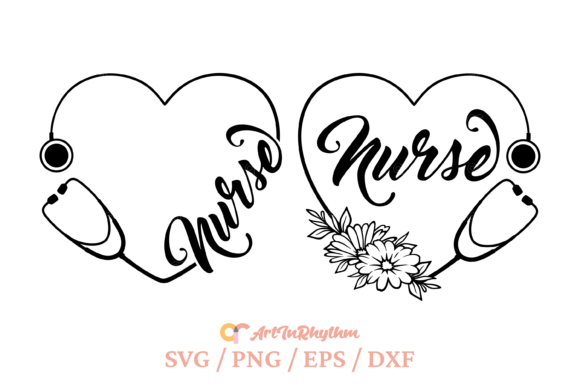
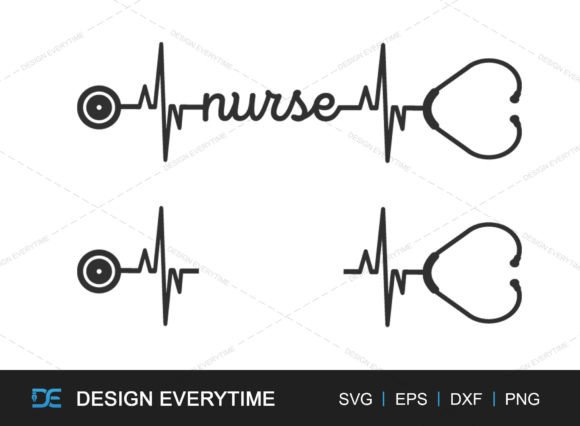
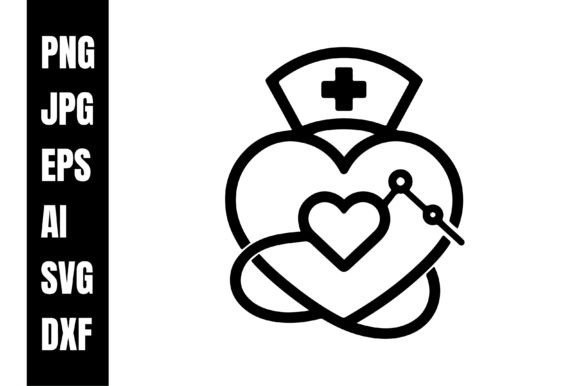
The composition of the Nurse SVG Heart is immediately warm and approachable. A classic heart silhouette merges with subtle nursing-themed elements — likely a caduceus, a heartbeat line, or a stethoscope curve, depending on the exact artist’s style. The shape doesn’t scream for attention. Instead, it creates a gentle, professional mood that suits a wide range of handmade products. There’s a quiet confidence in the layout: the central motif is balanced, the lines are clean enough to suggest a clean stitch path, and the overall footprint feels neither too heavy nor too delicate for embroidery.
From a designer’s eye, the level of detail appears intentional. The file is listed as high-quality at 400 dpi, which means the original artwork has enough resolution for crisp digitizing. When I zoomed in on the preview, the edges held up well — no stray pixels or jagged curves that would turn into confusing stitch transitions later. The ability to change design colors easily, as noted in the product description, is a real advantage. It means I can match the red and white of a classic nurse heart to the exact thread spool I have on hand, or shift the palette to soft pastels for a baby embroidery project, or even go monochrome for a sleek apparel logo.
The Tote Bag Test: My Project Walkthrough
For the nurse appreciation totes, I chose a medium-weight canvas in natural cream. I digitized the Nurse SVG Heart as a machine embroidery design with a combination of satin stitch for the main heart outline, a light fill stitch for the interior shape, and a fine running stitch for any delicate inner accents. Hoop size was a comfortable 5x7 inches, and the design scaled to about 4 inches wide without losing detail.
Before stitching the final bags, I tested on a scrap of the same fabric. The first run looked promising, but I noticed the thread colors I’d picked — a deep crimson and a crisp white — needed slightly higher contrast against the cream background. A quick shift to a slightly darker red made the heart pop without feeling harsh. The stabilizer choice was critical: a medium-weight cutaway kept the design from puckering even after the tote was handled and folded. After washing a test bag twice, the stitches held their shape beautifully, which is exactly what you want for a personalized gift that will see daily use.
Where This Design Shines in Embroidery
Beyond tote bags, I could see the Nurse SVG Heart working beautifully on a range of products. For custom apparel, it would sit well on the left chest of a scrub top or a polo shirt, giving a subtle professional badge. On a sweatshirt, enlarged to a 6-inch back yoke design, it would feel cozy and personal without being overwhelming. I’ve mentally placed it on baby clothes too — a tiny version on a onesie celebrating a nurse parent, or on a nursery blanket for a child of a healthcare worker. The theme is flexible enough for holiday embroidery as well: think red and green for a Christmas ornament, or soft blues for a thank-you gift during Nurses Week.
For small shop merchandise, this design has real potential. It would make a charming embroidered patch that could be sold individually or attached to hats, jackets, or backpack flaps. On a pillow cover or a set of kitchen towels, it adds a thoughtful, handmade touch that buyers at craft fairs often gravitate toward. I’ve also tested the visual on a printable mockup for a digital product listing, and it presents cleanly — the 400 dpi resolution kept the lines sharp even when viewed at 200% zoom, which is reassuring for Etsy sellers who rely on detailed previews to build buyer trust.
Where You Need to Proceed with Caution
As much as I enjoy this design, it’s not a one-size-fits-all solution. I learned quickly that very small hoop sizes — below 4x4 inches — forced the design to shrink so much that the finer inner elements started to merge. If you’re working with a 4x4 hoop, you’ll need to simplify the digitizing, perhaps removing the smallest details and relying on bolder stitches. On stretchy fabric like a thin jersey t-shirt, the satin stitches can pull if you don’t use a high-quality fusible stabilizer and a topping film. I’d avoid placing this on ultra-thin material without a test run, because the satin border can cause tunneling if the stitch density isn’t carefully adjusted.
Dark fabrics present another challenge. The heart’s lighter shades might disappear, so a white underlay or a color inversion is necessary. On curved surfaces like caps, the symmetrical heart can distort if not digitized with a slight curve compensation. I’d also be cautious with products that undergo frequent machine washing and drying, like everyday T-shirts. The design’s fill areas need to be dense enough to hold up but not so dense that they become stiff. Finding that balance is a digitizer’s job, and the Nurse SVG Heart file itself gives you the clean canvas to make those decisions — just don’t skip the test stitch.
Visual and Business Impact
From a branding perspective, this design has a quiet, recognizable quality that customers seem to connect with immediately. When I showed the test tote to a few colleagues, the reaction was consistently warm. People recognized the nursing theme without needing words, which is a powerful asset for a craft business or an Etsy seller who wants to offer designs that feel personal and professional. The heart shape is universally understood, and the nursing twist adds specificity without narrowing the audience too much. It’s the kind of handmade product design that can become a steady seller because it taps into gratitude, a sentiment that’s always relevant.
Using the Nurse SVG Heart in your embroidery projects can also lift the perceived value of the finished item. A well-stitched, thoughtful design signals that the maker paid attention to detail. Whether you’re creating a personalized gift for a nurse friend or a batch of boutique products for a shop, this design helps you deliver a cohesive, giftable look. The ability to change colors easily means you can tailor each piece to match a customer’s favorite scrubs or a hospital’s branding, which adds a layer of customization that many buyers are willing to pay extra for.
Designer’s Practical Checklist
Before you commit the Nurse SVG Heart to a full production run, here’s the workflow I recommend based on my own trials:
- Test on scrap fabric that matches your final product’s weight and texture. Don’t assume the digitized version will behave the same on canvas as it does on a cotton test swatch.
- Check thread color contrast against both light and dark backgrounds. A shade that looks perfect on screen may blend too much once stitched.
- Review stitch density carefully in your digitizing software. The clean lines of the SVG will tempt you to add lots of small details, but true embroidery requires a little simplification.
- Confirm hoop size and leave enough margin for the hoop’s frame. Scaling the design too large or too small can introduce registration issues.
- Inspect small details in a black-and-white mockup before you stitch. This helps you see if the design’s structure holds up without color cues.
- Use proper stabilizer — I’ve had success with a medium cutaway for woven fabrics and a no-show mesh for knits. A topping film is your friend on textured or fluffy surfaces.
- Check licensing before selling finished items. The product description in the Crafts category as a Graphics file does not explicitly state commercial embroidery terms, so always confirm with the seller whether you can use the design on products you sell.
This checklist isn’t specific to the Nurse SVG Heart alone — it’s good practice for any embroidery file you bring into your shop. But because this design relies on clean, recognizable shapes, the margin for error is smaller than with abstract patterns. A misplaced stitch on a heart outline is far more noticeable than on a busy floral fill.
Final Thoughts on the Nurse SVG Heart
After putting the Nurse SVG Heart through several real-project paces, I can say it earns its place in a designer’s asset library. The high-resolution artwork gives you a dependable starting point, and the flexible color palette means you can adapt the mood to suit anything from a cheerful baby embroidery gift to a dignified commercial embroidery order. It’s not a plug-and-stitch file — you’ll need to digitize with care — but the design’s underlying structure is strong and embroidery-friendly.
For the nurse tote bags I mentioned at the beginning, the final result was exactly what I’d hoped for. The heart looked crisp, the clients were genuinely moved, and I’ve since added the design to my regular product lineup for custom orders. If you’re looking for a machine embroidery design that carries a heartfelt message without being too cutesy, this one is worth a test run. Just remember to respect the digitizing process, match your thread choices to the fabric, and never skip that first stitch-out on scrap. The difference between a beautiful design file and a stunning finished product lies in those small, hands-on checks.