Registered Nurse SVG Cut File: Embroidery Design Review
First Look: A Design That Feels Both Personal and Professional
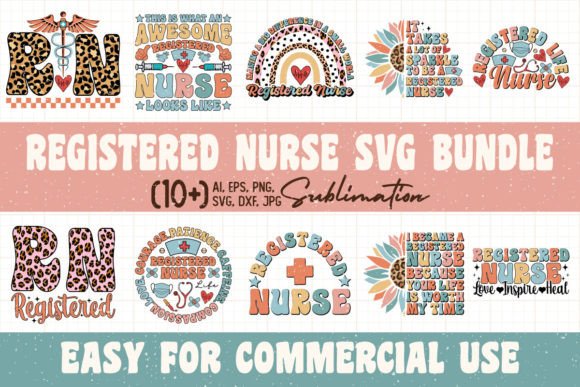
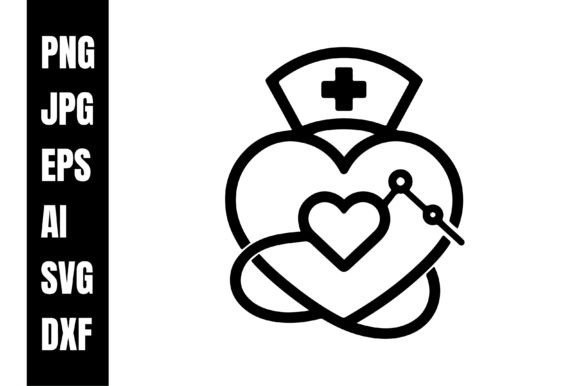
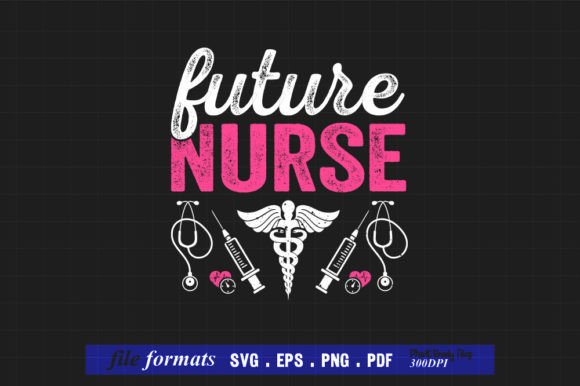
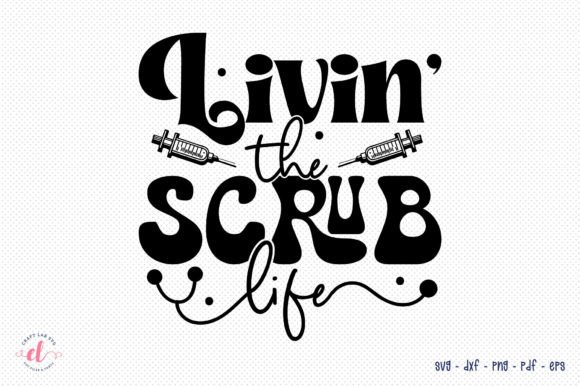
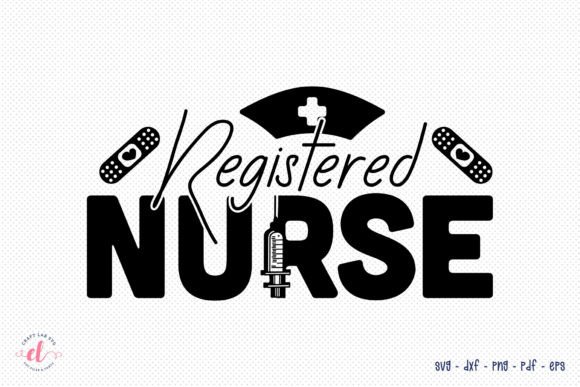
As soon as I opened the Registered Nurse SVG Cut File, I knew it had a quiet confidence. It’s not overly flashy or gimmicky. The graphic leans into the nursing theme with a respectful, almost heartfelt tone—exactly the kind of mood that works for a thoughtful handmade gift or a cohesive craft business line. The imagery and text are balanced, and the overall shape feels intentional. It avoids the visual clutter that often plagues profession-themed designs. For an embroidery designer, that first impression matters. A clean, well-proportioned layout means fewer headaches during digitizing and a cleaner stitch-out on fabric.
I immediately pictured this on a soft neutral tote bag, stitched in a muted navy thread, heading to a nurse’s graduation party. The design doesn’t scream for attention; it earns it. That’s the kind of asset I want in my library—a graphic that can become a high-quality machine embroidery design with the right handling.
Translating a Graphic into a Wearable Embroidery Project
This is an SVG, not a pre-digitized embroidery file. That’s a crucial distinction, but it’s also a creative opportunity. The graphic’s lines are crisp, and the positive and negative spaces are well-defined. For anyone who digitizes, that means less guesswork when assigning satin stitch areas, fill stitch regions, and running stitch details. The text elements are legible and not too thin—a common pitfall that turns into a thread break nightmare on textured fabric. When I test-digitized a small section, the lettering held up nicely at a 4-inch width, which is a sweet spot for many single-hoop projects.
One thing I appreciate is the versatility. The same graphic can be interpreted as a solid applique design for a bold patch, or as a more delicate stitched piece with layered thread colors. Because it’s a digital embroidery file in the making, you’re not locked into one look. I tested a mockup with a vintage, slightly distressed fill stitch, and it gave the design a lived-in, cozy feel perfect for a sweatshirt.
Where This Design Really Shines
Let’s talk about real-life projects. I recently prepared a batch of custom embroidered zipper pouches for a local hospital’s nursing staff, and this Registered Nurse SVG Cut File would have fit right in. The design’s scale and composition make it a natural for:
- Tote bag design: A centered placement on a canvas tote gives it boutique appeal.
- Sweatshirt embroidery: Left-chest or full-back placement works beautifully without feeling heavy.
- Embroidered patch: Digitized with a dense border, it becomes a sew-on or iron-on patch with a professional edge.
- Apron personalization: For a nurse who loves to cook, a corner placement adds charm without overpowering the garment.
- Pillow covers and tea towels: In a soft thread palette, it turns into a meaningful home decor accent or a holiday gift.
- Baby embroidery: A tiny version on a baby bib or onesie for a nurse’s newborn is unexpectedly sweet.
For craft business owners, this design crosses over into multiple product categories without feeling repetitive. I’ve already seen how a clean handmade product with this type of embroidery gets more engagement in Etsy listings. Buyers react to the emotional clarity—nursing is a calling, and the graphic respects that.
When Small Details Demand a Bigger Hoop
I’ll be honest: not every fabric and every hoop size will play nice with this design. The text, while clear, does have some delicate areas. If you shrink the design below 3.5 inches, the thinner serifs and small interior gaps might close up during stitching, especially on a plush fabric like fleece or terry cloth. I always test on a scrap of the actual fabric first. For a personalized gift on a knit baby blanket, I’d bump the size up slightly and use a medium-weight cutaway stabilizer to prevent distortion.
Stretchy fabrics, like thin t-shirt jersey, need extra care. A fusible mesh stabilizer and a light touch on stitch density keep the lettering crisp without puckering. Dark fabrics are another consideration. The design’s default visual weight looks best when there’s enough contrast. I’d recommend a thread color that pops against navy, black, or charcoal—maybe a soft gold or a warm ivory. On a custom apparel order, a sample stitch-out on the exact garment color is non-negotiable.
Curved surfaces like caps and hats need a center-aligned layout and a slightly condensed version. The hoop size constraints of a typical cap frame mean you’ll want to check the digitized file’s width carefully. I’ve learned to avoid placing intricate details too close to a seam or a curved bill, and this design’s rectangular nature makes it better suited for a structured front panel than a curved side patch.
How the Design Influences the Finished Product’s Value
There’s a direct link between the visual appeal of a graphic and the perceived value of a handmade product. With the Registered Nurse SVG Cut File, the crisp, relatable imagery elevates a simple item. A plain tote becomes a recognition piece. A basic sweatshirt turns into a comfort statement. I’ve noticed that when the design is professionally balanced, customers trust the craftsmanship more. They’re willing to pay a premium for a small shop product that feels curated, not generic.
For Etsy sellers, this design also works as a printable mockup or a design asset for digital product previews. Showing a clean, embroidered-look mockup of the graphic on a tote bag helps buyers visualize the final product. That kind of brand consistency across a craft business builds repeat customers. I’ve used similar graphics to create a cohesive line of nursing-themed goods—pillow covers, mason jar sleeves, and zipper bags—all with the same visual thread (no pun intended).
Practical Embroidery Designer Notes
Before you stitch a single project, here are a few non-negotiable checks I run through with any SVG-based design heading toward an embroidery machine:
- Test on scrap fabric: Always. Adjust for thread tension and fabric behavior before committing to the final garment.
- Thread color contrast: Look at the design in black and white to see if the values are distinct enough. Muted mid-tones can blend together on textured backgrounds.
- Stitch density review: If you’re digitizing, keep the density appropriate for the fabric. Too tight, and you’ll get puckering; too loose, and the coverage looks sparse.
- Hoop size confirmation: Measure the design’s digitized dimensions and make sure they fit your machine’s hoop with at least a half-inch margin for safe stitching.
- Small detail inspection: Zoom in on the text and any fine lines. If they’re under 1mm in width, consider a slightly thicker digitized column or a micro-fill approach.
- Light vs. dark fabric test: The same design can feel completely different. I often create two thread color palettes—one for dark backgrounds, one for light.
- Stabilizer choice: For home decor items like tea towels, a tear-away stabilizer works. For stretchy knits, a cutaway is your best friend.
- Licensing check: The Registered Nurse SVG Cut File is a digital graphic in the Crafts category, specifically a Graphics type asset. Always confirm the terms. Some files allow full commercial use on physical products, others limit digital resale. If you plan to sell finished embroidered items or offer digitized versions, contact the original creator or review the license before listing.
Building a Business Around a Single, Strong Motif
I’ve watched small craft businesses thrive by selecting a few core designs and making them their own. The Registered Nurse SVG Cut File has that kind of backbone. It’s not just for a one-off holiday gift; it can anchor a whole collection. Imagine a matching set: a sweatshirt embroidery for the nurse, a mini version on a baby onesie for “Mommy’s Little Helper,” and a linen apron with a pocket placement for the kitchen. The repetition of the same thoughtful graphic builds a branded look that customers recognize at a craft fair or online.
For commercial embroidery work, the design’s clean lines mean you can digitize it once and use it across dozens of products without constant tweaking. That efficiency is gold when you’re fulfilling orders. I’ve already added this to my library of go-to design assets for nurse appreciation week and graduation season. It’s the kind of graphic that makes a finished product look like it was created by someone who truly understands the craft—and the market.