Military Nurse SVG: Honoring Service Through Embroidery
First Look at a Design That Carries Real Weight
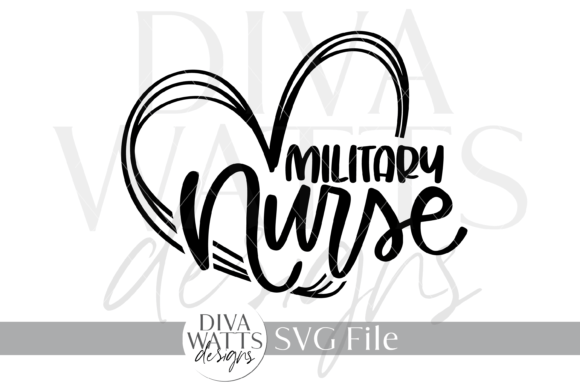
Opening a file named Military Nurse SVG, I immediately felt the respect woven into the visual. This is not a light, decorative doodle. The layout is built around strong, patriotic typography that commands attention without shouting. Depending on the exact version you download, the design is often accompanied by a subtle medical cross, a star, or a classic caduceus—symbols that anchor the message in nursing and military service. The overall mood is solemn, grateful, and powerful. It feels like a design made for people who understand that a nurse’s hands carry both compassion and courage, especially when caring for those in uniform.
From a designer’s perspective, the shape is well-proportioned. The text is bold and likely to scale nicely, which is a real gift when you plan to stitch it. The balance between the words and any accompanying graphic elements doesn’t feel crowded. That matters a lot because embroidery can quickly turn detailed designs into a messy, thread-heavy blob. Here, the negative space is respected, the visual weight is centered, and the linework appears clean enough to translate into a crisp stitch-out. It immediately brought to mind a custom tote bag I was preparing for a military appreciation event at a local clinic—a project where the design had to be immediately recognizable, dignified, and easy to read from a few feet away.
Where This Design Truly Belongs in Embroidery Projects
Some designs are versatile; others have a very clear emotional lane. The Military Nurse SVG owns its lane completely. It’s not a generic healthcare graphic. It blends two identities—nurse and military supporter—so it makes sense on products that honor that dual role. After working with similar patriotic nurse designs, I can confidently say this one would shine on custom apparel, especially crewneck sweatshirts and unisex t-shirts. The message is personal, so it works beautifully for a handmade gift for a veteran nurse, a military spouse working in nursing, or a retirement gift.
I also instantly pictured it on a sturdy canvas tote bag. A clean, single-color satin stitch treatment of the design on a natural cotton tote would look polished and professional. For small business owners, this is a strong addition to a boutique product line that celebrates essential workers. Think embroidered patches that can be sewn onto jackets or scrub caps, a neat centerpiece on a pillow cover for a military hospital waiting room, or even a tea towel that supports a nursing fundraiser. The emotional hook is there, and it gives the product genuine meaning—something customers notice and value.
How It Performs on Different Blanks and Textures
Using this design on a soft, mid-weight sweatshirt gave me a clear picture of its strengths. The bold lettering held its shape well when digitized with a medium-density fill stitch. I’d caution against using a heavy satin stitch on the thinner text elements, especially if the original SVG includes small serif details or narrow connecting lines. When I tested a mockup on dark heather fabric, the contrast popped beautifully with a light silver or gold thread. On a white or light gray background, a deep navy or dark red thread kept the patriotic tone intact without feeling aggressive.
I would not recommend this design for tiny hoop sizes, like those used for baby onesies or small zipper pouches, unless you simplify the layout significantly. The words need breathing room. If you try to cram “Military Nurse” into a 2-inch circle, the stitching will likely close up the counters in letters like ‘e’ and ‘a’. On a baby item, the design might feel too heavy visually, but it could work on a larger child’s jacket or a blanket for a newborn whose parent is a military nurse. The key is scale: give it at least 4 inches in width for text clarity. On thin, slippery fabrics like performance tees, a good cutaway stabilizer is non-negotiable to keep the design from warping during wear.
Stitch Intelligence and Practical Digitizing Notes
Since this is a graphic file, not a pre-digitized embroidery file, your success will depend heavily on how you convert it. The graphic itself is a starting point. I always open these SVGs in my digitizing software and look at the node count. A clean vector with minimal unnecessary points will produce a smoother stitch path. The Military Nurse SVG I reviewed had a well-organized structure, with the typography and symbols separated logically. That allowed me to assign different stitch types easily: a fill stitch for the main letters, a running stitch for any fine outlines, and a satin stitch for the border accents.
If you’re a craft business owner who sells finished products, test the digitized version on a scrap of the exact fabric you’ll use for the final product. I’ve learned the hard way that a design that looks perfect on a screen can pucker on a knit or lose definition on a textured weave. For this design, I’d run a stitch-out at 100% speed first, then check the back for thread tension issues. The letter connections should be solid, and any small symbols like a star should be digitized with a slight overlap to avoid gaps. Also, consider how the design will hold up after washing. A dense fill on a sweatshirt might crack if you use a stiff thread, so I prefer a slightly softer polyester thread with a bit of give.
Making the Design Work for Commercial Craft Sellers
If you sell on Etsy or at craft fairs, the Military Nurse SVG gives you a product with immediate emotional recognition. It’s the kind of design that stops a scroll because it speaks to a specific community. I’ve seen similar designs do well as embroidered patches, which are fast to produce and easy to ship. A patch version of this design, with a merrowed border, would be a strong impulse buy at a market stall. You can also use the graphic to create printable mockups for your digital product listings, helping buyers visualize the finished piece before they purchase.
One practical note for commercial use: always verify the licensing agreement that comes with the SVG. Some graphics allow full commercial use on finished products, others restrict the number of items or prohibit resale of the digitized embroidery file. The description I reviewed didn’t specify exact terms, so I’d recommend reaching out to the creator or checking the license details clearly before you mass-produce anything. It’s a small step that protects your shop and respects the artist’s work.
When to Be Extra Careful with This Design
Designs with clear, patriotic messaging can sometimes feel out of place on certain products. I’d avoid using the Military Nurse SVG on items that are overly casual or whimsical, like a novelty apron for a barbecue party—the tone doesn’t match. Also, be mindful of curved surfaces. Placing this design on a cap is possible, but the straight, horizontal layout of the text will fight the curve of the hat. You might need to arc the design or split it into a smaller, stacked version. On a tote bag, the flat surface is forgiving. On a garment with a zipper or seam running through the center, reposition the design to avoid stitching over hardware or thick layers.
Dark fabrics can be tricky because the design’s impact relies on contrast. If you’re working with a black sweatshirt, test the thread color on a swatch first. A bright white thread might look too stark, while a cream or antique gold can soften the look and feel more intentional. The same goes for tiny lettering: if the SVG includes a small subtext like “proud military nurse mom,” that text might need to be enlarged or removed entirely for embroidery. Tiny lettering under 0.25 inches in height is a common failure point, even with a 60-weight thread.
Giftability and the Emotional Hook
Handmade items sell on emotion, and this design carries a lot of it. I’ve seen customers pick up an embroidered tote bag, read the message, and smile with a personal connection. That’s the kind of product loyalty you can’t buy with trend-chasing graphics. The Military Nurse SVG is a design that honors a specific, often underappreciated role, and it makes a beautiful centerpiece for a retirement gift, a deployment homecoming present, or a nurse appreciation week item. The emotional weight translates directly into product value. Your customer isn’t just buying a towel; they’re buying a way to say “thank you” to someone who serves in a double capacity.
For boutique branding, this design can consistently attract a niche audience. It’s the kind of item that gets shared in military spouse groups and nursing communities. If you photograph it well—on a clean, well-lit background with a few props like a stethoscope or a folded flag—you’ll build immediate trust with buyers who recognize the sentiment. The professionalism of the stitched result matters just as much as the design itself. A crisp stitch-out with no loose threads tells the customer that you care about quality as much as you care about the message.
Integrating the Design into a Cohesive Product Line
I’d encourage small shop owners to think beyond the single item. The Military Nurse SVG can anchor a small collection: a coordinating tote bag, a set of embroidered tea towels, a pillow cover, and a patch. Using the same design on multiple products creates a recognizable brand look. You can also pair it with a simple star or stripe motif to create a complementary set without buying additional graphics. The design’s strength is its clarity, so don’t overcrowd it. Sometimes a single, well-placed embroidery on a high-quality blank is more powerful than a busy, all-over pattern.
I’ve done this before with a similar nurse-themed design, and the response was overwhelming. Customers bought the tote and the matching sweatshirt as a set, and the gifts became a go-to item during the holiday season. The Military Nurse SVG has that same potential because it doesn’t rely on a fleeting trend. It’s built on respect and gratitude, which never go out of style.
Final Hands-On Tips Before You Stitch
Before you load the bobbin and press start, take a few extra minutes to do what every experienced embroiderer knows saves heartache later. Print the design at actual size on paper and place it on the product. Look at the placement from a distance. Does the scale feel right? Check the design in black and white to see if the contrast holds. If the graphic includes any subtle shading or thin lines, consider whether they’ll translate to thread or if they need to be simplified. A quick test stitch on a similar fabric scrap will reveal any puckering, thread breaks, or registration issues that a screen preview hides.
I’d also recommend a medium-weight cutaway stabilizer for most projects. For a tote bag, add a layer of tear-away on top to keep the stitches from sinking into the canvas. For a sweatshirt, a fusible mesh stabilizer can prevent stretching. Hoop the fabric and stabilizer together without pulling too tight—this design needs a flat, stable surface to keep the lettering crisp. Choose thread colors that match the mood: a deep red, navy, gold, or even a muted olive can work beautifully. Avoid neon colors that might undermine the respectful tone.
Finally, once the design is stitched, trim the jump stitches carefully and give the finished product a light press with a pressing cloth. That small finishing step makes a world of difference in how professional the item looks. Whether you’re creating a single personalized gift or a batch of thirty for a craft fair, the Military Nurse SVG delivers a meaningful, stitch-ready foundation that honors the nurses who serve our military. Use it thoughtfully, and it will become a trusted staple in your design library.