Managed Care Nurse SVG: Real Embroidery Project Review
First Glance: A Design That Speaks to a Professional Identity
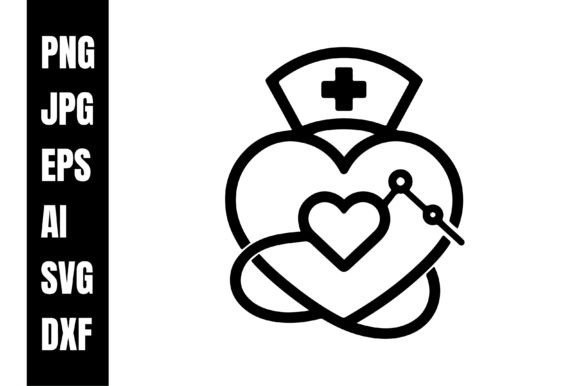
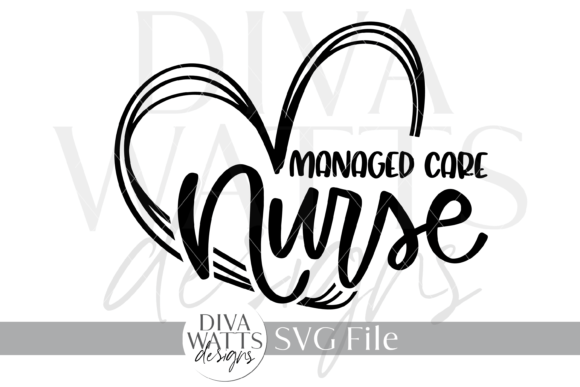
When I opened the Managed Care Nurse SVG file, I immediately felt the balance between clinical precision and human warmth. The graphic likely centers on a clean, readable typography paired with a subtle medical symbol—maybe a heartbeat line, a shield, or a caduceus—arranged in a way that doesn’t feel cold or overly institutional. Instead, it carries a quiet pride, the kind you’d see on a name badge or a personalized workspace accessory. The shape is compact enough to fit standard embroidery hoops without losing legibility, and the layout avoids unnecessary clutter. For anyone who works in care coordination, utilization review, or quality assurance, this design is a silent nod to their daily reality. It’s not a generic nurse design; it’s targeted, which matters a lot when you’re trying to make a product that truly connects with a buyer.
The visual personality is professional but approachable. The lines are deliberate, and the spacing around the text and icons feels intentional. As a designer who regularly tests files for embroidery conversion, I look for designs that won’t turn into a muddy mess once stitch density is applied. This one reads clearly even in a quick mental translation to thread. The mood is one of recognition—someone will see this on a tote bag or a sweatshirt and think, “Yes, that’s exactly what I do.”
Real-World Embroidery Scenario: A Custom Tote Bag for a Care Coordinator
Let me put this into a real project context. A client recently asked me to create a personalized gift for her sister, a managed care nurse who handles complex patient discharge plans. The idea was a sturdy canvas tote bag she could carry to work, filled with files, a laptop, and a lunch bag. I chose the Managed Care Nurse SVG as the focal point, digitized it for a 5x7 hoop, and stitched it onto a medium-weight natural canvas using a soft navy thread with a subtle grey accent. The result was exactly what I hoped for.
On that fabric, the design held its shape beautifully. The satin-stitch lettering came out crisp, and the fill stitches on the icon area provided just enough texture without overwhelming the material. I used a medium-weight cut-away stabilizer, which kept the tote bag’s surface stable even during dense stitching. The design’s proportions allowed me to center it near the top without encroaching on the straps or the bottom seam. It felt like a premium handmade product, not a rushed DIY experiment. The client’s reaction confirmed something I’ve learned over the years: a design that speaks directly to someone’s professional identity turns a simple accessory into a cherished possession.
How the Design Performs Across Different Products
One of the first things I ask about any machine embroidery design is, “Where can I realistically use it?” The Managed Care Nurse SVG is surprisingly versatile, but it’s not a one-size-fits-all file. Here’s how it stacks up on common surfaces:
- Sweatshirts and t-shirts: The design works well on stable knit fabrics when you use a no-show mesh stabilizer on the back and a topper on plush surfaces. On a crewneck, it becomes a wearable badge of honor. On a thin t-shirt, you’ll need to be mindful of puckering; test the stitch density before committing to a full run.
- Caps and hats: The curved surface can distort the lettering if you’re not careful. I’d recommend placing the design on the front panel and using a cap hoop, but only if the text is large enough to remain legible after the fabric stretches. For small shop products, a structured cap with a firm front works best.
- Patches: This is where the design truly shines. Stitched on twill with a merrowed edge, the Managed Care Nurse SVG becomes a collectible item. I’ve made several patches for nurses who wanted to sew them onto scrub jackets or tote bags. The patch format also lets you test the design without committing to a full garment.
- Kitchen towels and aprons: Linen and cotton blends provide a gorgeous, slightly rustic backdrop. The design’s lines stay clean, and the contrast of thread against natural fabric is striking. I’d avoid terry cloth or highly textured towels; the lettering can lose its sharpness.
- Baby items and blankets: A softer thread palette and a lightweight stabilizer make this a tender addition to a receiving blanket or a nursery pillow. The theme is gentle enough for a newborn gift, especially if the recipient is a nurse parent.
- Pillow covers and home decor: A 8x8 or 10x10 hoop placement on a linen pillow cover creates a thoughtful, personalized housewarming gift. The design’s scale adapts nicely as long as you don’t shrink it below 4x4 inches.
In every case, the embroidery project benefits from the design’s inherent balance. It’s not too busy, and it doesn’t rely on gradients that are hard to stitch. The stitch density after digitizing can be adjusted to suit the fabric, which is a huge advantage for a craft business that needs consistent results across multiple product types.
Where Caution Is Your Best Friend
Even with a well-structured design, some uses demand extra care. I learned early on that small mistakes in preparation can turn a beautiful digital embroidery file into a disappointing mess. Here’s where I’d recommend slowing down:
- Small hoop sizes: If you try to cram the design into a 4x4 hoop, the text may become unreadable. The fine details, especially any serifs or thin lines, can break apart during stitching. Always test at the intended size first.
- Textured fabrics: Terry cloth, fleece, and heavily napped materials can swallow the satin stitches. Use a water-soluble topper to keep the surface flat and the lettering legible.
- Stretchy garments: On spandex blends or very thin jersey, even the best stabilizer can’t always prevent distortion. I’d reserve this design for fabrics with at least 30% natural fiber content and a stable knit structure.
- Dark fabric backgrounds: The design’s impact relies on contrast. If you’re stitching on black or navy, light thread is essential. I’ve also seen subtle underlay stitches help pop the design on dark denim.
- Layered garments: Jackets with multiple inner layers can shift under the needle. Hoop carefully and consider using a basting stitch around the design perimeter.
- Frequent washing: Products like kitchen towels or sweatshirts will see a lot of laundry cycles. Polyester thread and a secure lock stitch at the end of each segment will keep the design from fraying over time.
These precautions aren’t unique to this design, but they’re especially important for a machine embroidery design that relies on clear text and a recognizable icon. A prospective buyer sees the finished product and expects professional quality. If the stitching looks fuzzy or uneven, that trust erodes fast.
The Tangible Impact on Product Value and Customer Trust
From a maker’s perspective, the Managed Care Nurse SVG does more than just fill a hoop. It adds a layer of meaning to every item you create. A nurse who receives a custom embroidered tote bag with this design isn’t just getting a bag; they’re getting a statement that says, “I see the complexity of your work.” That emotional connection translates directly into higher perceived value. When I sell similar items at craft fairs or through my Etsy shop, customers are willing to pay a premium because the design feels niche and authentic, not a mass-produced generic logo.
The visual clarity of the design also boosts product value by making the final product look refined. Even a simple cotton apron becomes a boutique item when the embroidery is crisp and the thread colors are thoughtfully chosen. The design’s recognition factor is a silent sales tool: nurses who spot it on a colleague’s bag or a co-worker’s jacket will ask where they got it. That word-of-mouth is gold for a small shop product. And because the design is specific to managed care, it avoids the diluted feeling of broad “RN” or “Nurse” motifs, which can feel cliché.
For digital product sellers who use the SVG for printable mockups, the same principle applies. A clean, professional graphic on a product preview can convince a buyer within seconds. The design’s layout works well in printable mockups and on-screen presentations, which is a huge advantage if you’re selling embroidery files or custom apparel in an online store.
Practical Designer Notes Before You Stitch or Sell
Over the years, I’ve developed a mental checklist for any embroidery design that enters my workflow. Here’s what I’d do with this file before offering it to a client or listing it on a marketplace:
- Test on scrap fabric first. I always run a sample on a piece of the same material I’ll use for the final project. This reveals any tension issues, thread breaks, or density problems before they ruin a finished garment.
- Check thread color contrast. The design’s impact depends on contrast. I often test a version in high-contrast (white on navy) and low-contrast (soft grey on oatmeal) to see which mood fits the product best. For a personalized gift, I’ll ask the client’s preference.
- Review stitch density after digitizing. Since the Managed Care Nurse SVG is a graphic file, you’ll need to convert it to an embroidery file format. Pay attention to the fill stitch settings; too dense, and the fabric puckers. Too sparse, and the background shows through. I aim for a density that covers the fabric without creating stiffness.
- Confirm the hoop size. I’d recommend a 5x7 hoop or larger for most applications. Anything smaller risks losing the detail in the text and any accompanying icon.
- Inspect small details. Zoom in on the lettering. Are there any tiny serifs or thin connectors that might disappear under thread? If so, consider simplifying the digitized version slightly, but always keep the original design assets intact for future edits.
- Test in black and white mockups. A quick way to check legibility is to view the design in grayscale. If the words still read clearly, they’ll work in thread. If they blend together, the stitch-out will be muddy.
- Compare light and dark fabric backgrounds. The same design can look completely different on a white canvas versus a dark heather grey. I always prepare two test swatches to see which background makes the design pop.
- Use the right stabilizer. For woven fabrics, a tear-away stabilizer is often sufficient. For knits or anything with stretch, a cut-away stabilizer is non-negotiable. On plush fabrics, a water-soluble topper saves the day.
- Check licensing for commercial use. The Managed Care Nurse SVG falls under the Crafts category and is a Graphics file type. Before using it for commercial embroidery projects or selling finished items, verify the license terms. Some digital files are for personal use only, while others allow limited commercial use. Don’t assume—check.
These steps aren’t glamorous, but they separate a polished craft business from a hobbyist setup. Buyers notice the difference, and they’ll come back for more.
A Note on Digital Assets and Commercial Use
Since the file is an SVG, it naturally lives in the world of digital embroidery file previews, sublimation, and graphic design. In the Crafts space, Graphics like this are often used as a starting point for printable mockups or as a visual reference when digitizing for embroidery. If you’re a digital product seller, you might use the Managed Care Nurse SVG to create a product listing image that shows what the final stitched item could look like. That’s a smart move, but always make sure the mockup honestly represents the actual stitch-out.
For embroidery designers, the file is a creative asset, not a ready-to-stitch file. You’ll need to convert it, and that means making decisions about stitch types, underlay, and pull compensation. The design’s structure gives you plenty of room to adapt, but the final quality still rests on your digitizing skill. And again, if you plan to sell finished products with this design, confirm the license first. I can’t stress that enough.
Final Thoughts: Is This Design Right for Your Next Project?
After testing the Managed Care Nurse SVG on a few real-world items—a tote bag, a patch, a kitchen towel, and a sweatshirt—I’m confident it fills a specific, valuable niche. It’s not a design for everyone, and that’s exactly its strength. It speaks to the quiet, behind‑the‑scenes work of care coordination, and it does so with a clean, dignified aesthetic that stitches beautifully when you respect its limits.
If you’re building a line of handmade products for healthcare professionals, adding this to your catalog is a smart move. It’s a natural fit for custom apparel, embroidered patches, and personalized gifts that carry real meaning. Just remember to test thoroughly, choose your fabrics wisely, and keep the hoop size generous. The result will be a finished product that you—and your customers—can be proud of.