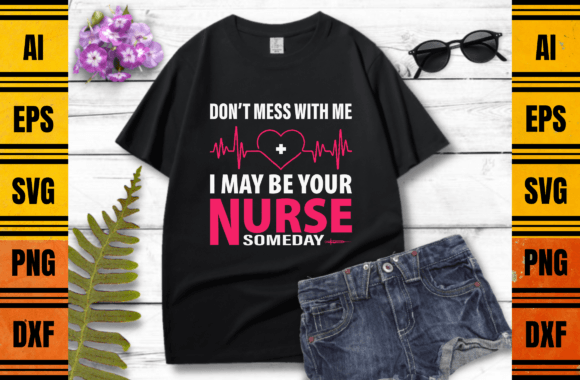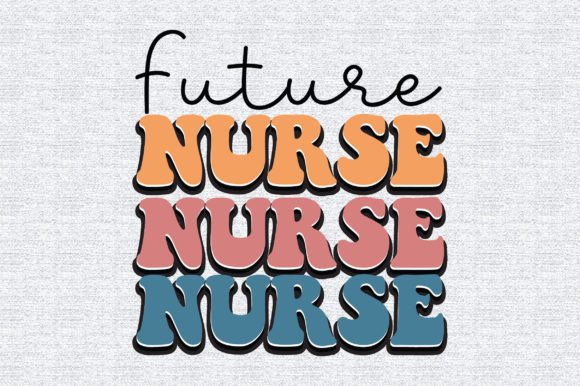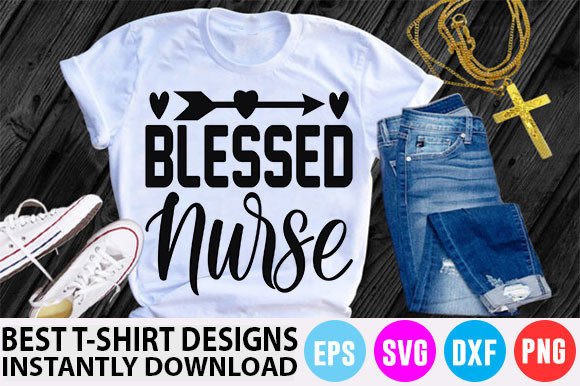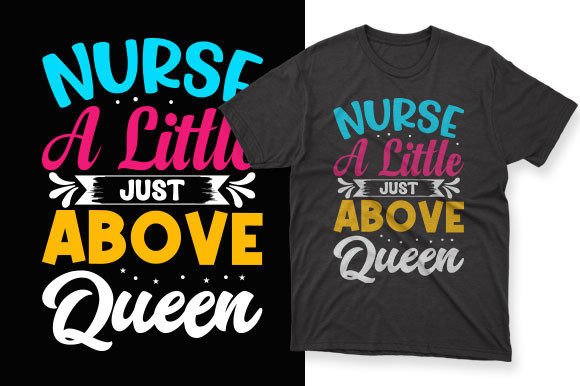
Skilled Enough Nurse T-shirt Design: An Embroidery Review
When a design like Skilled Enough Nurse T-shirt Design lands on my desk, I don’t see a flat graphic. I see a potential finished product—a stitched tote bag, a cozy sweatshirt, or a gift that carries a whole mood. This design, with its proud, slightly mischievous tagline, immediately sparks ideas for custom embroidery projects. But as a reviewer who tests designs in real stitching environments, I know the gap between a screen-ready file and something that actually works under a needle can be wide. So let’s walk through what this design offers, where it fits, and what you need to consider before putting it onto fabric.
First Glance: Personality and Purpose
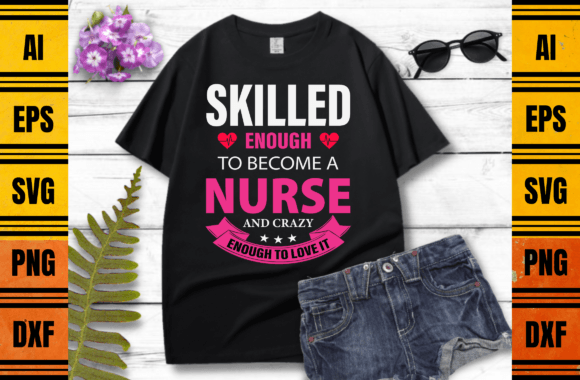
The phrase “Skilled enough to become a nurse and crazy enough to love it” hooks you instantly. It’s part confession, part badge of honor. The layout I’m picturing is likely a mix of bold and script-style lettering, maybe with a small medical icon—a heart, a stethoscope, or a subtle cross. There’s no over-the-top cuteness, just a confident, slightly sarcastic warmth that nurses will recognize immediately. That emotional punch is what makes a design sellable, especially for personalized gifts, boutique scrub tops, or craft fair standouts.
As an embroidery designer, I’m not just looking at the mood. I’m tracing the shape of the text, imagining how each letter will sit on a curved surface like a cap or a tote bag. The design feels balanced, with a clear focal point on the word “nurse” and a rhythm that would read well from a short distance. It’s the kind of quote that works on a unisex crewneck, a large tote, or even a decorative pillow cover for a nurse’s lounge. The versatility is there, but the real test is in the stitch.
Translating a Graphic into Stitches
Here’s the first decision point. Skilled Enough Nurse T-shirt Design is listed under Print Templates and Graphics. That means it’s a digital file intended for direct-to-garment printing, sublimation, or screen printing, not a ready-to-load embroidery file. For a machine embroidery project, you’ll need to convert or digitize the artwork yourself. This isn’t a dealbreaker—many of my favorite custom pieces start as a simple vector—but it does mean you’ll need digitizing software and a solid understanding of stitch types, densities, and pull compensation.
If you’re a small business owner selling embroidered patches or custom apparel, you might already have that workflow. If you’re a hobbyist, you’ll want to test the design carefully after digitizing. The original graphic likely has clean lines and flat colors, which is a good starting point. But watch out for thin, delicate flourishes. What looks crisp in a PNG can become a tangled mess of tiny satin stitches if the lettering is too fine. In my experience, I’d plan to thicken the thinnest strokes slightly and keep the overall design within a 4x4 or 5x7 hoop for most projects—anything smaller and the readability might suffer.
Where This Design Shines in Embroidery
I’m currently preparing a custom embroidered tote bag for a nurse friend’s birthday. This design is a perfect candidate. The flat, sturdy canvas of a tote gives the stitches a stable foundation, and the large surface area means I can run the design at a generous 5x7 size without worrying about distortion. A tote bag also highlights the design’s giftability—it’s a practical, everyday item that carries a personal message. I can already see the reaction: that mix of laughter and “yes, that’s exactly how I feel.”
Beyond totes, Skilled Enough Nurse T-shirt Design would work well on:
- Sweatshirts and hoodies – Centered on the chest or as a large back print, the bold text stands out. Use a soft cutaway stabilizer for fleece to keep the design from sinking into the nap.
- Unisex t-shirts – A left-chest placement around 3.5 inches wide keeps it subtle but readable. Lightweight cotton blends hold the stitches well.
- Canvas aprons – Perfect for a nurse who also loves to cook, or for a crafty gift. The design crosses over from medical to kitchen effortlessly.
- Pillow covers – A 16x16 linen throw pillow with this design in a contrasting thread color becomes a charming decor piece for a nurse’s home.
- Embroidered patches – This design has the right attitude for a sew-on patch. You’d need to add a border and digitize it with a dense fill, but the result would be a high-demand item on Etsy or at craft fairs.
In each case, the design’s personality boosts the perceived value of the finished product. It’s not just a piece of embroidery; it’s a statement that invites connection. Buyers feel seen, and that builds customer trust and repeat business.
The Tricky Parts: Details That Demand Attention
Even a well-loved design can trip you up if you ignore the fabric and placement. With Skilled Enough Nurse T-shirt Design, the biggest challenges come from the text itself. If the original file includes tiny accents—like a small heartbeat line or a miniature Rx symbol—those will need careful digitizing. I’d avoid running such fine details on stretchy fabrics like ribbed knits or thin performance tees, because the stitches can pucker or distort with movement.
Dark fabrics are another consideration. The design’s mood works beautifully on a heathered charcoal or navy background, but that means your thread color choices become critical. A light thread on dark fabric can look stark if the stitch density isn’t high enough, and any gaps in the fill will show the background. I always test on a scrap of the same fabric first, especially for black or deep-colored sweatshirts.
Curved surfaces, like caps or the shoulder seam of a baby onesie, demand extra caution. The text may need to be split or arched to follow the curve, and tiny lettering can lose definition. For a baby item, I’d scale the design down carefully and use a soft, tear-away stabilizer, but I’d also simplify the layout if the original has too many flourishes. The phrase itself is strong enough; sometimes less is more.
Layered garments, like a zip-up hoodie, can introduce registration issues if the design crosses the zipper seam. I’d stick to one-piece fronts or backs for the cleanest result. And if you’re planning to sell the finished product, washability is non-negotiable. Run a wash test after stitching to check for thread fraying or color bleeding, and always include care instructions with your product.
Making It Work for Your Craft Business
For an Etsy seller or boutique owner, Skilled Enough Nurse T-shirt Design offers a lot of flexibility. The theme is evergreen—nursing celebrations, graduation gifts, and everyday appreciation never go out of season. You can pair this design with other nurse-themed items in your shop, creating a cohesive collection that boosts brand recognition. A simple change of thread color or fabric background can refresh the look entirely, so you can offer multiple variations without reinventing the wheel.
When preparing a listing, I’d show the design on a real stitched product, not just a digital mockup. Customers want to see how the satin stitches catch the light, how the texture feels. A close-up photo of the embroidery on a tote bag or sweatshirt builds trust and reduces return requests. If you’re selling the digital embroidery file itself (after creating your own digitized version), make sure you clearly state the file formats and hoop sizes included, and always keep the original graphic’s licensing in mind.
Speaking of licensing: Skilled Enough Nurse T-shirt Design is a digital T-shirt design file from a store, and the description welcomes you to use it for yourself, friends, family, or “anyone wh”—likely meaning personal and small commercial use. But before you mass-produce or include it in a digital bundle, double-check the license terms. Some print templates allow unlimited physical product sales but restrict file sharing. As an embroidery designer, I always err on the side of caution and reach out to the seller if anything is unclear. It protects your business and respects the original creator.
Practical Tips Before You Stitch or Sell
Every embroidery project I evaluate gets a checklist, and this one is no different. Whether you’re making a single tote bag or a batch of 50 sweatshirts for a nurse’s week event, these steps will save you time and materials:
- Test on scrap fabric first. Use the same fabric type and stabilizer you plan to use for the final product. Watch for puckering, thread breaks, or registration shifts.
- Check thread color contrast. If your design uses white thread on a light background, it may wash out. A dark thread on a dark fabric might need a subtle outline to pop. Mock it up in black and white to see if the contrast holds.
- Review stitch density. After digitizing, run a sample and check if the design feels stiff or if the fabric waves. Adjust density in your digitizing software to keep the fabric supple without sacrificing coverage.
- Confirm hoop size. The design should have at least a half-inch clearance from the hoop edges to avoid collisions. If you’re unsure, measure the widest and tallest points of the design before choosing a hoop.
- Inspect small details. Look at the smallest letters, dots, and curves. If they don’t stitch cleanly, consider simplifying them in the digitizing phase. The phrase itself is the star; the details should support it, not distract.
- Use proper stabilizer. For knits, a cutaway stabilizer is your best friend. For wovens, a tear-away works well. Topping paper on fluffy fabrics keeps stitches from sinking.
- Think about placement. Centre the design on a flat area free of seams, zippers, or deep folds. For a tote bag, that’s usually the centre panel. For a cap, aim for the front panel where the surface is smoothest.
- Wash and wear test. One wash cycle tells you more than a hundred on-screen previews. Check for thread softening, colorfastness, and how the fabric recovers after stretching.
These aren’t just technical steps; they’re the difference between a product that looks homemade and one that looks professionally crafted. Customers notice quality, and they’ll come back for it.
Final Thoughts from the Embroidery Table
Skilled Enough Nurse T-shirt Design brings a smile before you even thread the needle. It’s a design with heart, and that emotional connection is gold for anyone selling handmade goods. As an embroidery reviewer, I appreciate the straightforward layout and the bold, readable text that can cross over from a t-shirt graphic to a stitched keepsake. You’ll need to put in the digitizing work, and you’ll need to be mindful of the fine details, but the payoff is a high-appeal product that nurses will genuinely love to wear or display.
If you’re a craft business owner, this design belongs in your rotation alongside other nurse appreciation items. If you’re a hobbyist, it’s a perfect project for a gift that feels personal and a little cheeky. Just remember to test, tweak, and always respect the licensing. The design may start as a digital print template, but with a skilled hand and a good eye, it can become a stitch-out that builds your brand and makes someone’s day.