Nurse T-Shirt Design: Nurses Call the Shots
First Impressions: A Punchy Phrase That Commands Attention
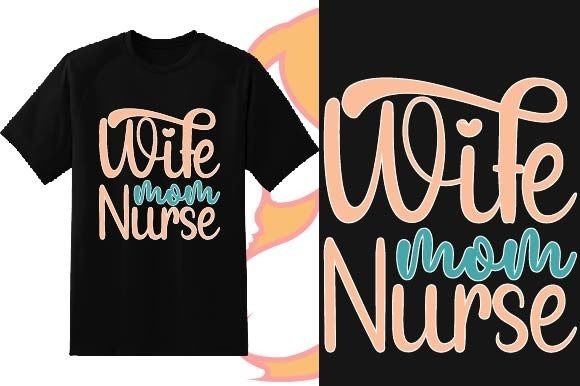
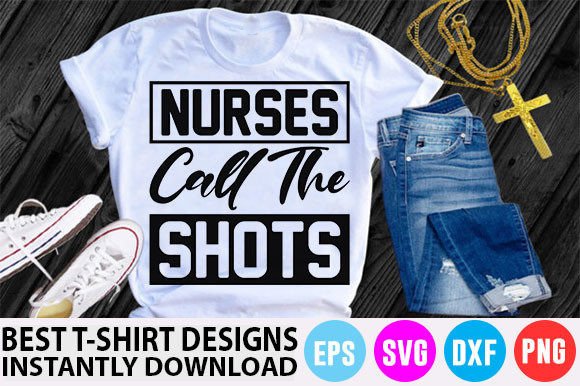
When I first opened the Nurse T-Shirt Design, Nurses Call the Sh file set, I immediately felt the attitude behind the lettering. The phrase “Nurses call the shots” lands with confidence — it’s playful, proud, and just a little bit cheeky. As a designer who regularly turns graphics into machine embroidery projects, I look for visuals that carry a clear mood without needing extra explanation. This one does exactly that. The typography is likely the hero element, and even without seeing an exact stitch-out yet, I can tell the layout will read well on a flat surface like a tote bag, a sweatshirt back, or a framed patch.
What I appreciate most about the composition is its balance of simplicity and statement. There’s no clutter, and the wording itself does the heavy lifting. The design feels rooted in the handmade and small-batch movement — the kind of graphic that works beautifully on a custom apparel piece made for a retiring nurse, a nursing school graduation, or a hospital unit gag gift. The mood it creates is warm, empowering, and instantly recognizable to anyone in the healthcare field.
What You’ll Work With: A Smart Set of Graphics for Embroidery Digitizing
The product description states you receive one PNG with a transparent background, one JPG, one SVG, and one DXF, all compressed in a ZIP file. For an embroidery designer, this selection is far more practical than a single flat image. The transparent PNG is useful for printable mockup previews and quick placement tests. The JPG gives you a high-quality reference for color matching. But the real stars are the SVG and DXF files. Both are vector-based, which means I can scale the design to any size without losing edge quality — a huge advantage when I’m creating a digitized version for different hoop sizes, whether I’m working on a tiny baby embroidery onesie or a large tote bag design.
Since this Graphic is not a ready-to-stitch embroidery file, I’ll need to digitize it myself or send it to a digitizer. That’s completely normal for T-Shirt Designs used in embroidery, and honestly, it gives me full control over stitch density, underlay, and thread choices. The SVG is especially helpful because I can import it directly into digitizing software and adjust bezier curves with precision. The DXF is a bonus for anyone who also does vinyl or laser cutting, but for embroidery, I’ll primarily lean on the SVG.
Where This Design Truly Belongs: Real Embroidery Projects
I picture this Nurse T-Shirt Design, Nurses Call the Sh graphic living on a few specific surfaces. A heavy cotton canvas tote makes an ideal canvas — the flat weave holds satin stitches well, and the bold text will look crisp. A midweight sweatshirt is another obvious choice. On a crewneck, the design centered on the chest or across the back gives off a modern, slightly vintage vibe that feels at home in a boutique setting. I’ve already sketched out a personalized gift project in my mind: a soft heather gray sweatshirt with the phrase stitched in navy blue and a tiny metallic thread accent on a syringe icon or heartbeat line. That kind of detail turns a simple graphic into a memorable finished product.
Beyond apparel, this design would hold its own on a structured apron, a kitchen towel, or even a zippered pouch for a nurse’s daily essentials. A pillow cover with a coordinated thread wrap would fit right into a break room or a nursing student’s dorm. I can also see it as an embroidered patch with a merrowed edge, sold at a craft fair alongside other healthcare-themed designs. The phrase itself is universal enough to work for holiday gifts, especially during Nurses Week, but the visual personality — assuming it includes a syringe or a stethoscope silhouette — keeps it firmly rooted in the nursing world. That niche focus is exactly what Etsy sellers and small shop owners look for when building a cohesive product line.
Scaling the Design for Different Products
When I plan a craft business collection around a single graphic, I always think about scaling. A large machine embroidery design version around 6x6 inches works perfectly for a tote bag or a sweatshirt back. A smaller version, maybe 3x3 inches, fits a left-chest placement on a polo, a cap front, or a baby bib. Because the SVG is included, I can resize without losing detail, which is a massive time-saver. I’ll still need to adjust stitch types — a smaller version might require a simpler satin stitch border and fewer fine details, while a larger version can handle more intricate fill stitch shading and decorative accents.
Where Caution Pays Off: Fabric and Hoop Considerations
Even a great design like this one can run into trouble if I don’t match it to the right surface. The text elements, particularly if they include small serifs or thin script, will be the first to suffer on a highly textured fabric like terrycloth or a loosely woven sweater. I’d avoid using this on a stretchy fabric like a thin jersey without a quality cut-away stabilizer. On a cap, the curved surface could distort the lettering if I don’t use a precise cap hoop and digitize with a slight arc compensation. I always test on a scrap piece of the same fabric first, especially when dark thread is going on a dark fabric — the contrast can look fine on screen but muddy in real life.
Another area I watch closely is hoop size. If the design includes small decorative elements near the text, they might not stitch cleanly in a 4x4 hoop. I’d lean toward a 5x7 or larger for anything beyond a simple patch. The product description doesn’t mention finished dimensions, so I’ll measure the artwork in my software and plan accordingly. For a tea towel or a pillow cover, I’d also add a wash-away topping to keep the lettering from sinking into the nap of the fabric.
Practical Embroidery Designer Notes
- Always test the digitized version on a scrap of the same fabric you plan to use for the final product. This reveals any stitch density issues before you ruin a good blank.
- Check thread color contrast against both light and dark backgrounds. A white thread version can look invisible on a cream tote, while a navy thread version might lose its punch on black.
- Review the small details in the SVG carefully. If there are tiny dots or thin lines inside a heart or a medical cross, those might need to be thickened for embroidery to avoid thread breaks.
- Test the design in black and white mockups. An embroidery customer often decides based on a simple preview, and a design that relies too heavily on color gradients may not translate well to a single-color stitch-out.
- Use a proper stabilizer. For a sweatshirt, I go with a medium cut-away; for a tote bag, a tear-away often works fine, but I’ll baste the fabric in place to prevent shifting.
- Since the Nurse T-Shirt Design, Nurses Call the Sh is a graphic not a ready-to-stitch file, double-check the licensing terms before you sell finished products or digital embroidery files. Many graphic designers allow personal use and limited commercial use, but you need to confirm that your intended use — whether it’s selling handmade product pieces on Etsy or offering the digitized file — is covered.
Thread Choices That Elevate the Message
I tend to default to a classic navy or charcoal thread for a clean, professional look on light backgrounds. But for a more playful take, a bright cherry red or teal thread can bring out the sass in the phrase. If the design includes a small icon, like a bandage or a pill bottle, I might use a running stitch for the outline and a subtle satin stitch for the fill, keeping the whole piece under 8,000 stitches to avoid a bulky feel. The key is to let the words remain the star, so I avoid overly textured fills that compete with the lettering.
Real-Life Scenario: A Custom Tote for a Nurse’s Retirement
Last week, a client asked me to create a retirement gift for a charge nurse who had mentored half the unit. She wanted something personal, not too serious, and definitely not a plain mug. I immediately thought of a design like the Nurse T-Shirt Design, Nurses Call the Sh graphic. I’d embroider the phrase on a natural linen tote bag, flanked by a tiny embroidered stethoscope or heartbeat icon pulled from the SVG. The tote would be lined, sturdy, and big enough for a lunch bag and a book. The client’s reaction when I showed her the mockup told me everything: she laughed and said, “That’s exactly her.”
That kind of emotional connection is what separates a generic embroidery file from a well-chosen design asset. The phrase resonates because it’s true — nurses do call the shots, often more than they’re given credit for. When a handmade product carries that truth, the giftability skyrockets, and the buyer feels like they’ve found something made just for them.
Commercial Use and Small Business Perspective
For Etsy sellers and small shop product builders, this graphic offers a lot of flexibility. Since it arrives as a clean vector, you can use it not only for embroidery digitizing but also for printable mockup listings, sublimation, or screen printing — all from the same purchase. That versatility reduces the need to buy multiple file types later. I’d still recommend keeping a master folder with the original SVG and a set of test stitch-outs on different fabrics to show customers what the final embroidered version looks like. That kind of presentation builds customer trust and encourages repeat buyers.
One thing I always flag when reviewing a Graphics product for commercial embroidery use: if the design includes any trademarked icons or phrases, double-check the legal standing. The phrase “Nurses call the shots” is a common saying, but if the design incorporates a specific hospital logo or copyrighted character, you could run into trouble. So far, the description doesn’t suggest any issues, but it’s a habit worth keeping.
Final Thoughts on the Stitchability Factor
After spending time with the Nurse T-Shirt Design, Nurses Call the Sh files, I’m confident it belongs in the rotation of any embroidery designer who serves healthcare professionals. The design’s personality is strong, the file types are practical, and the translation to thread is straightforward — as long as you digitize mindfully and test on real fabric. I’d happily use it for a custom apparel order, a boutique pillow collection, or a set of patches for a nursing school fundraiser. The key is to treat it not as a finished product, but as a flexible starting point that rewards a little extra attention during the digitizing stage.
If you’re a digital product seller or a craft business owner looking to expand your nurse-themed embroidery line, this graphic is a solid pick. Just remember to check the exact dimensions, confirm your hoop compatibility, and always, always test on scrap fabric first. The phrase lands perfectly, and with the right stitch choices, it will look just as good in thread as it does on screen.