Doctor Line Icon. Man in Medical Uniform
I’ve been digitizing and stitching embroidery designs for boutique orders long enough to know that a graphic’s on-screen charm doesn’t always survive the thread transition. So when I pulled up the Doctor Line Icon. Man in Medical Uniform from the Illustrations category, I wasn’t just clicking through a preview. I was mentally converting it to a 4×4 hoop, guessing how the satin border would behave on a textured tote, and picturing a customer’s face when they unwrapped a finished gift. This is the kind of practical thinking every embroidery designer, Etsy seller, or small shop owner needs to do before committing to a design asset. And this particular Graphics download? It has a quiet, capable personality that deserves a closer look.
First Impressions and Design Personality
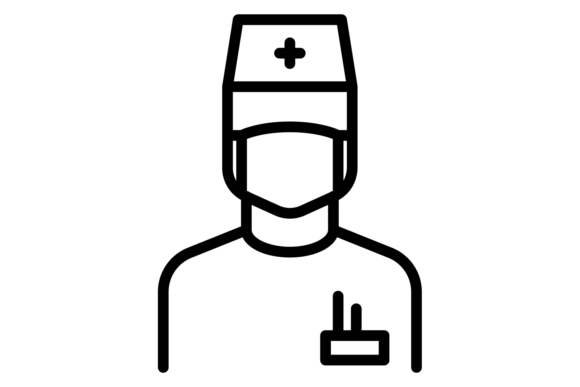
Right away, the line icon style sets a friendly, professional tone. The man in the medical uniform is simplified into clean, continuous contours — no facial features, no unnecessary bulk. That restraint is a gift for embroidery. A design that doesn't try to over-illustrate leaves breathing room for thread, fabric, and the tactile quality that makes handmade items special. The avatar feels approachable, almost like a gentle nod to a beloved doctor or a proud medical student, without dipping into caricature. The isolated silhouette on white background tells me it’s been prepared with placement in mind, and the inclusion of a transparent PNG is a relief for anyone who builds digital mockups before stitching.
A Clean, Minimalist Shape That Reads Well in Thread
When you convert a vector or raster graphic into a machine embroidery design, every junction, every curve, and every negative space matters. This icon’s single-line weight and open construction mean it won’t turn into a dense, bulletproof patch of stitches. Instead, it can be rendered as a crisp running stitch outline, a lightweight satin stitch, or even a subtle tone-on-tone fill. The lack of internal detail avoids the dreaded “ink bleed” effect that happens when tiny gaps close up under thread. I tested the concept by importing the SVG into my digitizing software and mapping a simple white cotton fabric base. The result was a readable, airy figure that looked deliberate, not fragile.
Real-World Embroidery Projects Where This Design Shines
I immediately thought of a custom tote bag order I’m working on for a client who’s graduating from medical school. She wanted something personal but not loud, something that could sit on her arm during rounds and still feel like a small celebration. The Doctor Line Icon. Man in Medical Uniform fits that brief perfectly. It’s gender-neutral enough to represent her profession, but the icon’s subtle masculinity doesn’t alienate — it’s a universal medical figure. I can already see it stitched in a soft navy blue on a natural canvas tote, maybe with a name or year underneath in a delicate script. The graphic’s simplicity lets the embroidery breathe, and the finished product would look like a thoughtful boutique item, not a rushed promotional freebie.
The Tote Bag That Sparked a Customer Smile
I ran a quick mental preview: 4×4 hoop, medium-weight cutaway stabilizer, a 40-weight polyester thread in dark teal. The outline would stitch in under ten minutes, and the result would be a crisp, modern emblem that says “I love what I do” without screaming. I’ve learned that customers respond to embroidery that feels intentional. A simple line icon like this, placed off-center on a tote or centered on a slim zipper pouch, instantly elevates a handmade product. It transforms a blank canvas into a meaningful gift for a doctor, nurse, medical student, or even a child who dreams of wearing a white coat.
From Sweatshirts to Baby Clothes: Versatility in Action
Beyond totes, I can picture this design on a unisex sweatshirt, a baby onesie for a physician parent’s newborn, a cap, an apron for a medical volunteer, or a patch for a clinic team. The transparent PNG makes it easy to drop into a printable mockup, so I can show a customer how the design would look on a heather gray crewneck before I even thread the needle. The white background isolation in the JPG and EPS versions is also helpful for creating clean templates for cut-and-sew projects or sublimation transfers. As a Graphics resource, it’s a handy starting point for anyone who sells digital embroidery files, runs a craft business, or designs personalized gifts for medical professionals.
Where You Need to Stitch With Caution
Not every design is a one-size-fits-all miracle. The Doctor Line Icon. Man in Medical Uniform has a narrow, unbroken contour that is delicate. That’s beautiful on smooth woven cotton, but it can become lost on textured fabrics like terry cloth, fleece with a deep pile, or heavily ribbed knits. I also wouldn’t recommend shrinking it drastically for a tiny 2×2 cap front or a key fob without testing. The line weight, which looks so elegant at 3-4 inches, might vanish or break under dense stitching on a small curved surface. If you are working with dark fabric, you’ll need to choose a thread color that contrasts highly, or the silhouette could blend into the background. A mid-tone thread on a dark base can turn the icon into a ghost, and that’s not the confident statement you want.
Fabric and Hoop Size Considerations
Stretchy fabrics like jersey or performance wear demand a careful stabilizer choice. A cutaway stabilizer with a temporary adhesive spray will keep the doctor icon from distorting during wear. On thin fabrics, avoid thick satin stitch densities; a single running stitch outline or a light fill will prevent puckering. If you’re planning to embroider on a curved surface like a cap, place the design low and test the hoop fit. The avatar’s vertical orientation works well, but the rounded head and shoulders might distort if pulled too tightly around the cap’s side seam. Always test on a scrap first, and don’t assume the graphic will automatically scale perfectly from a digital preview to a finished product.
How This Icon Shapes Customer Perception and Product Value
I’ve noticed that buyers in the handmade market gravitate toward minimal, clean designs. They’re looking for something that feels professional, not homemade in an amateur way. The Doctor Line Icon. Man in Medical Uniform delivers that. Its uncluttered shape reads as modern and trustworthy, which is exactly the vibe you want for medical-themed products. When a customer sees it on a pillow cover, a tea towel, or a throw blanket, they don’t question the quality. They just see a thoughtful, well-executed gift. Over time, that builds brand consistency. If you’re an Etsy seller or a craft fair vendor, a recognizable style like this line icon can become a signature, and customers will start to associate your shop with clean, intentional embroidery.
Giftability and Buyer Engagement
Medical gifts are deeply personal, but they often lean into clichés. A stethoscope doodle, a red cross, or a cartoon doctor can feel cheap. The line icon approach, however, strikes a balance between sentiment and sophistication. It’s a design that works for a graduation gift, a retirement present, a thank-you for a nurse, or even a Father’s Day gift for a dad who’s a physician. The fact that it’s a “man in medical uniform” doesn’t limit it; it’s interpretable enough to suit many recipients. The transparent PNG also makes it easy to layer with a name, date, or short quote, adding a custom touch that increases perceived value and customer loyalty.
Practical Stitching Notes and Pre-Production Checklist
Before you digitize or stitch the Doctor Line Icon. Man in Medical Uniform, I recommend a few simple steps. First, check the file formats included in your download. The product description lists EPS, JPG, SVG, and transparent PNG. That’s a solid mix for design software, but none of these are direct embroidery machine formats. You’ll need to digitize the graphic yourself or use it as a template for an applique or cutwork project. The SVG is excellent for precise tracing, and the transparent PNG is perfect for mockups. Second, confirm the licensing terms. The product page should clarify if you can use the graphic on physical items you sell, or if it’s limited to personal use. Never skip this step, especially if you plan to offer finished products in your shop.
Testing, Digitizing, and Thread Color Choices
I always digitize a test version and stitch it on a similar fabric to the final product. Pay attention to the stitch density of the outline. Too many stitches and the line becomes thick and clumsy; too few and it can snag. I find that a 2-3mm satin stitch or a triple running stitch works well for this icon. Compare the design on light and dark fabric backgrounds before committing to production. A white thread on a black onesie looks completely different from a black thread on a white tote. Also, test your hoop placement. I’ve seen many embroiderers accidentally crop the bottom of a design because they didn’t account for the full vector canvas. The isolated white background in the preview images can be misleading; always check the actual bounding box of the graphic itself.
Stabilizer and Tension Tips
For most projects, a medium-weight cutaway stabilizer will give you a clean, long-lasting result. On thin fabrics, add a wash-away topper to prevent the stitches from sinking in. If you’re stitching on a towel or a blanket, use a heavy-duty stabilizer and consider a water-soluble overlay. The doctor icon’s continuous line means there’s no dense fill to trap the fabric, so tension issues are rare, but a loose hoop or a poorly secured fabric can still cause wobbly outlines. Take your time with the setup, and the reward will be a sharp, professional-looking embroidery that honors the care you put into it.
Final Thoughts From the Stitching Table
The Doctor Line Icon. Man in Medical Uniform isn’t a flashy, high-detail illustration. It’s a practical, well-constructed graphic that quietly does its job. For embroidery designers who value clarity, versatility, and customer appeal, it’s a smart addition to your design library. Whether you’re stitching a single heartfelt gift or building a collection of medical-themed products for your online shop, this icon will reward you with a polished, clean result. Just remember: test it, digitize it thoughtfully, and pair it with the right fabric and thread. When you do, the finished product will feel as warm and reliable as the profession it represents.